
Date Posted: 2026-08-26
Commercial Snow Removal Contracts in Ontario: What Property Managers Should Look For
Choosing a commercial snow removal contractor isn't simply a matter of comparing the price at the bottom of several quotations.
For a commercial property, snow and ice management affects accessibility, employees, customers, deliveries, parking operations and safety throughout the winter.
When a significant storm arrives, the contractor's equipment, people, planning and ability to respond matter considerably more than how impressive the quotation looked in September.
Whether you manage a commercial plaza, industrial property, office building, institutional facility or other large site, here are some of the things you should consider before awarding your next commercial snow removal contract.
Start With a Clearly Defined Scope of Work
Before comparing prices, make sure you're comparing the same service.
One contractor's definition of "snow removal" can be very different from another's.
A commercial winter-maintenance contract should clearly identify which areas are being serviced and what work is included.
Depending on the property, that may include:
- Parking lots
- Drive lanes
- Loading areas
- Fire routes
- Entrances
- Sidewalks and walkways
- Stairs
- Accessible parking and access areas
- Garbage and service areas
- Snow storage locations
- Salting and deicing
The more clearly the scope is defined before winter, the less uncertainty there should be during a storm.
Understand the Snowfall Trigger
One of the important components of a snow contract is the trigger depth.
This establishes when plowing service begins.
But the trigger alone doesn't tell the entire story.
Property managers should also understand what happens during a long-duration storm.
Will the contractor perform multiple passes to keep important areas operational? How are entrances and primary travel routes handled? What happens when snow continues throughout the business day?
Those questions can be particularly important for commercial and industrial properties that need to remain operational throughout a storm.
Seasonal vs. Per-Visit Snow Removal Contracts
Commercial snow services can be structured using seasonal pricing, per-event or per-visit pricing, or a combination of approaches.
Neither structure is automatically better.
A seasonal contract can provide greater budget predictability because much of the winter-maintenance cost is established in advance.
A per-visit or per-event arrangement ties costs more closely to the services actually performed, but expenses can vary substantially depending on winter conditions.
When comparing quotations, don't look only at the total price. Understand exactly what is included and what triggers an additional charge.
Snow Plowing and Ice Management Aren't the Same Thing
Plowing removes accumulated snow.
It doesn't necessarily address slippery conditions.
Commercial winter maintenance commonly requires a combination of snow clearing and deicing.
Your contract should clearly explain how salting or other deicing services are handled.
Questions worth asking include:
- Is salting automatically performed after plowing?
- Is it performed based on observed conditions?
- Who decides when an application is required?
- Is it included in seasonal pricing?
- Is each application charged separately?
- How are sidewalks and pedestrian areas handled?
This is one area where two quotations that initially look similar can represent very different levels of service.
Ask How Winter Conditions Are Monitored
Commercial snow management shouldn't begin only after someone calls to report that a parking lot needs attention.
A professional contractor should have a process for monitoring winter weather and site conditions and deploying crews accordingly.
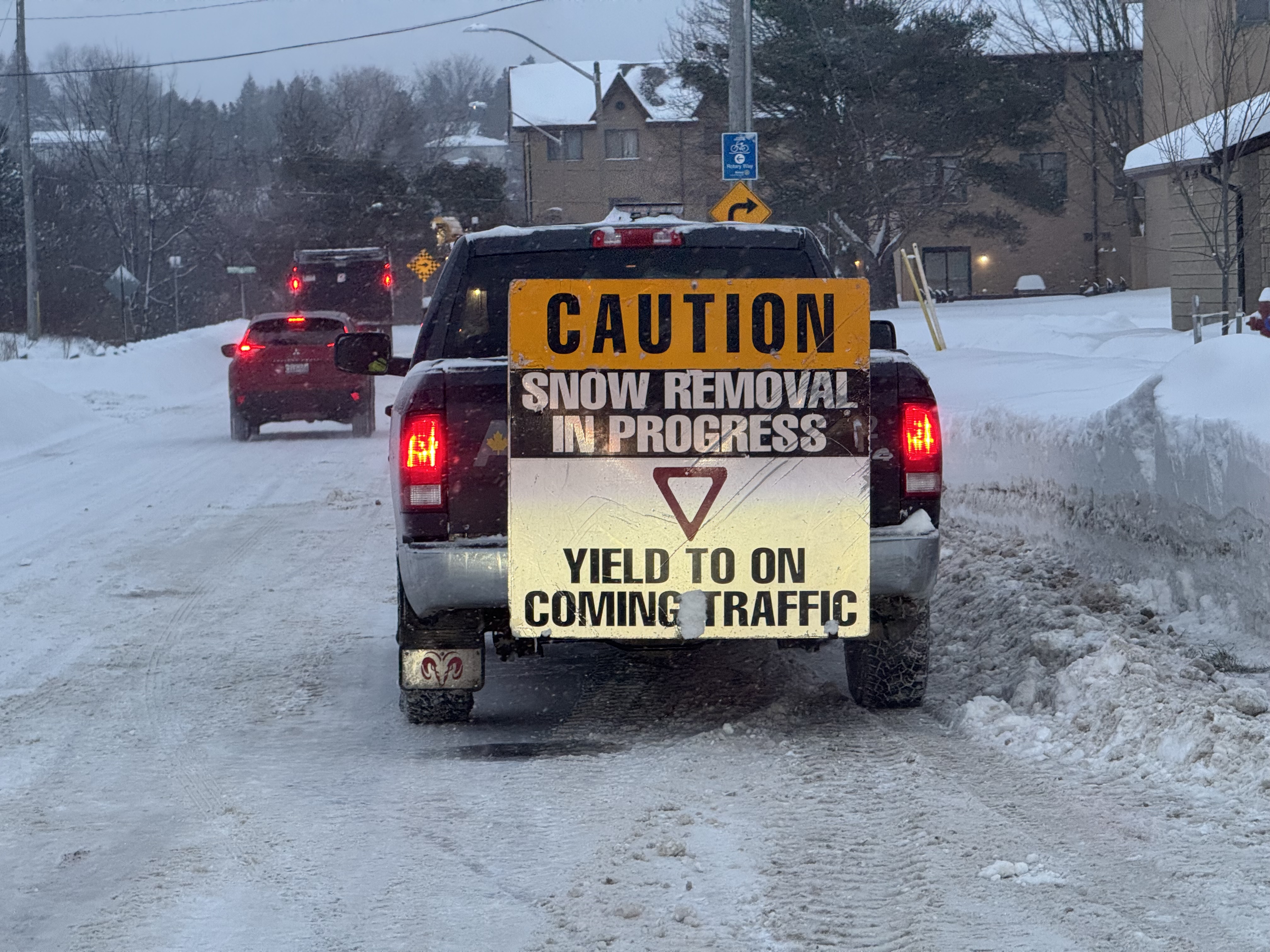
Allto Construction provides 24/7 monitoring and dispatch as part of its snow and ice management operations.
That matters because winter events don't conveniently happen during normal business hours.
Snow can begin overnight, temperatures can fall following rain, and melting snow can refreeze.
The contractor needs an operating system capable of responding to changing conditions.
Learn more about Allto Construction's commercial snow removal services.
Documentation Matters
Professional snow management should include good record keeping.
Depending on the contractor's system, service records can document items such as:
- Date and service time
- Site checks
- Work performed
- Areas serviced
- Deicing applications
- Site observations
Allto's snow operations include site checks and maintained service logs.
For property managers, documentation provides a record of winter-maintenance activity throughout the season.
When reviewing contractors, ask how work is documented and how service records are retained.
Make Sure the Contractor Has the Right Equipment
Equipment capacity matters on commercial properties.
A smaller site may be efficiently serviced with pickup-mounted plows and compact equipment.
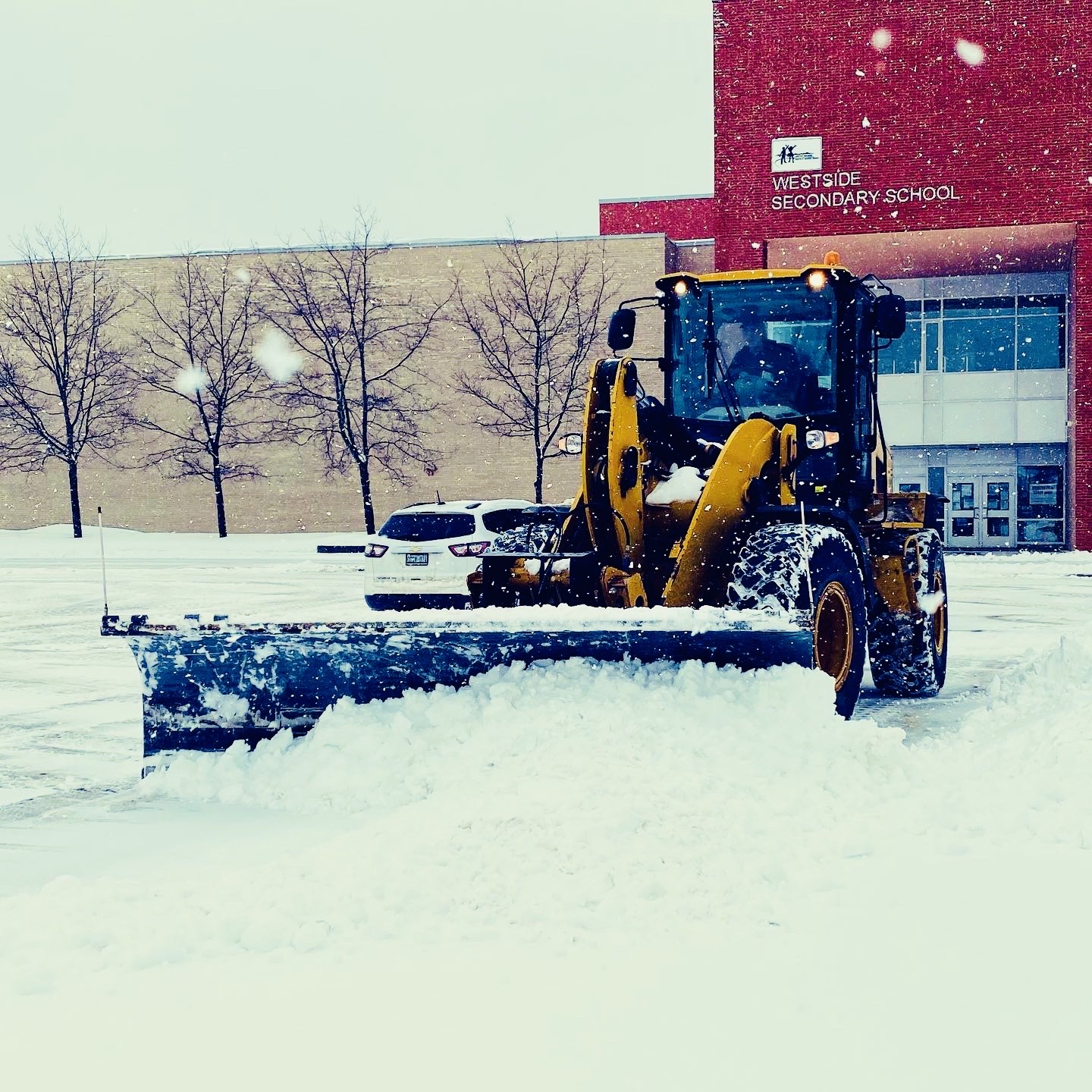
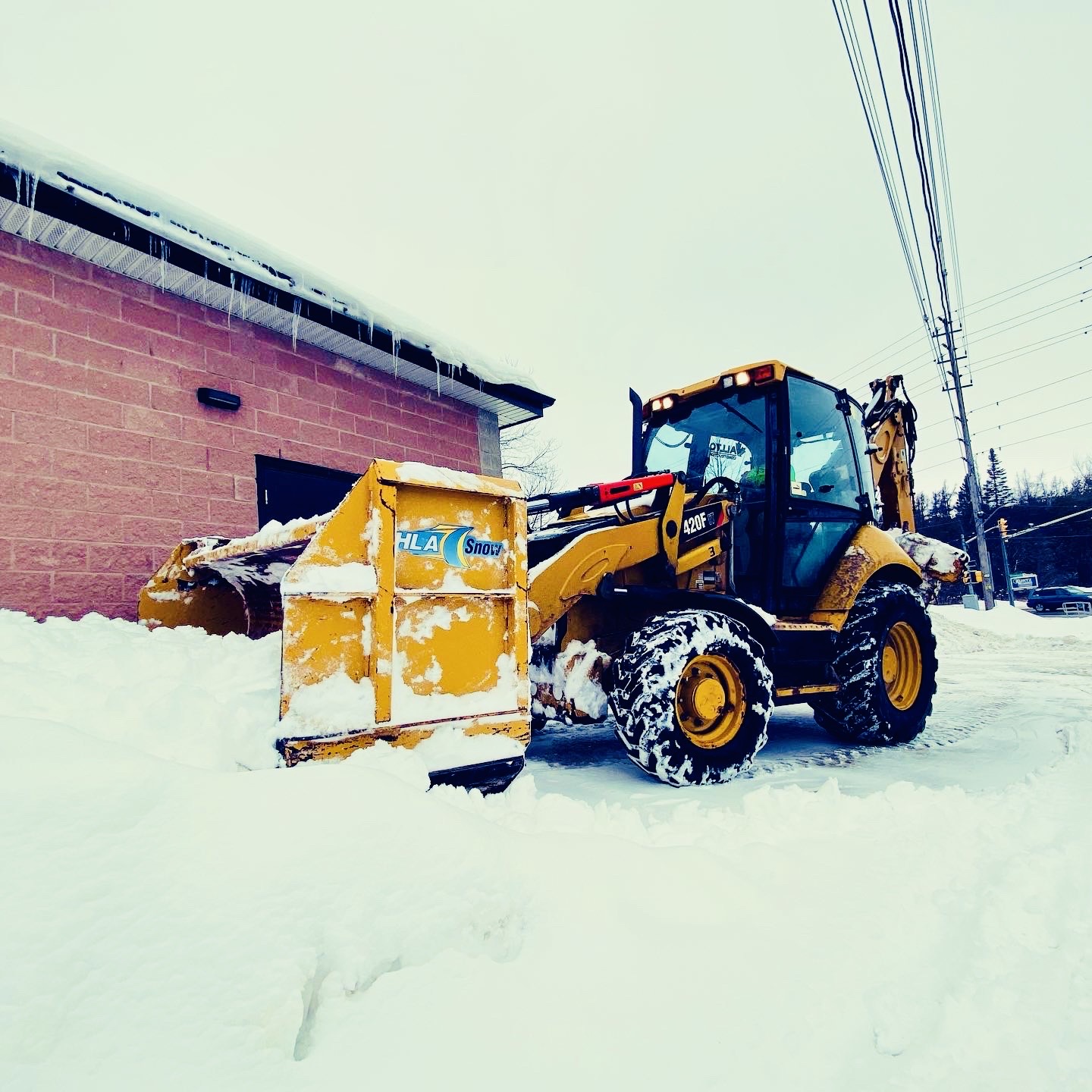
Large parking lots and industrial sites may be better suited to loaders, tractors, larger snow blades or box pushers.
The contractor should match equipment to the property rather than simply assigning whatever equipment happens to be available.
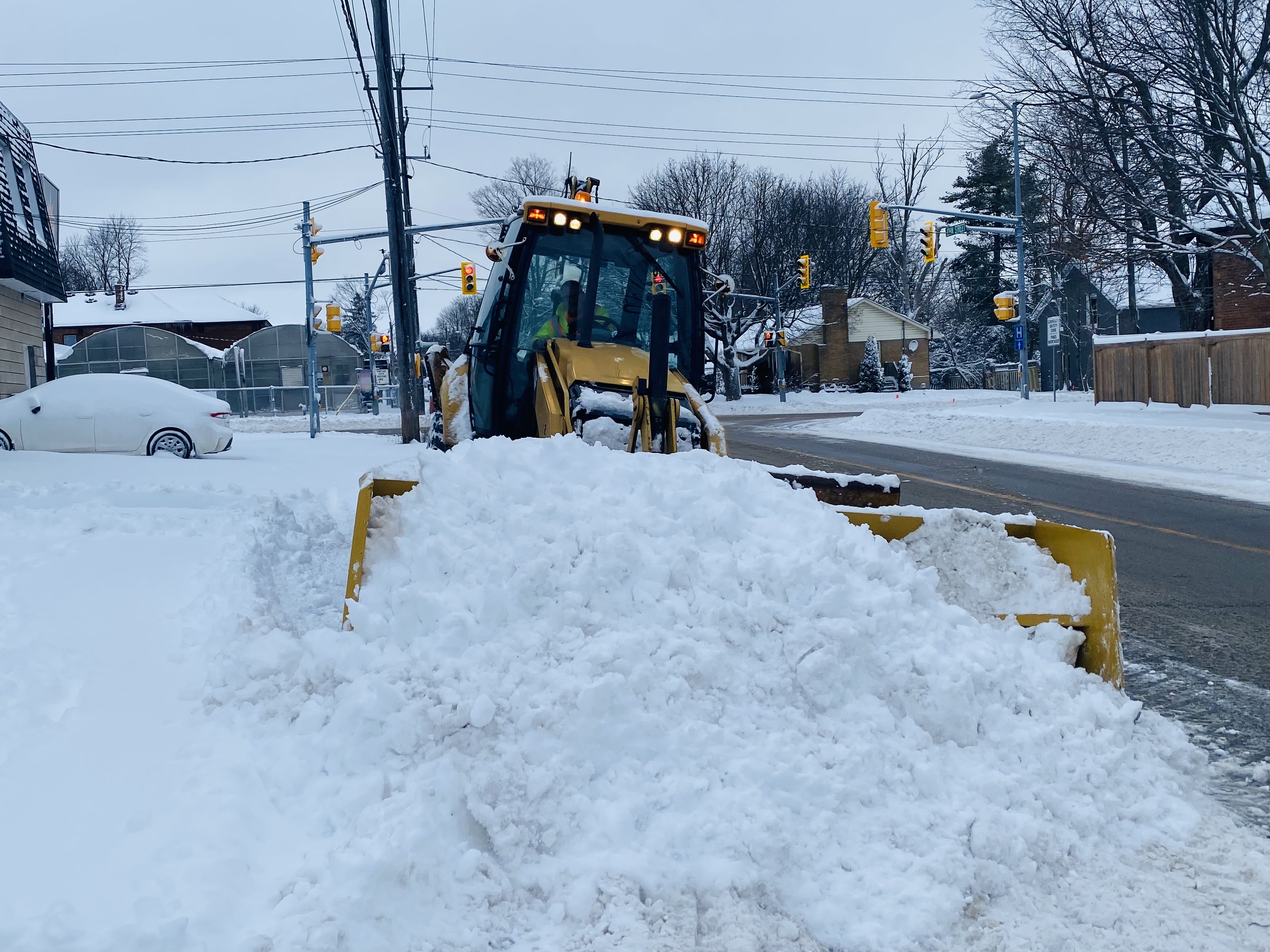
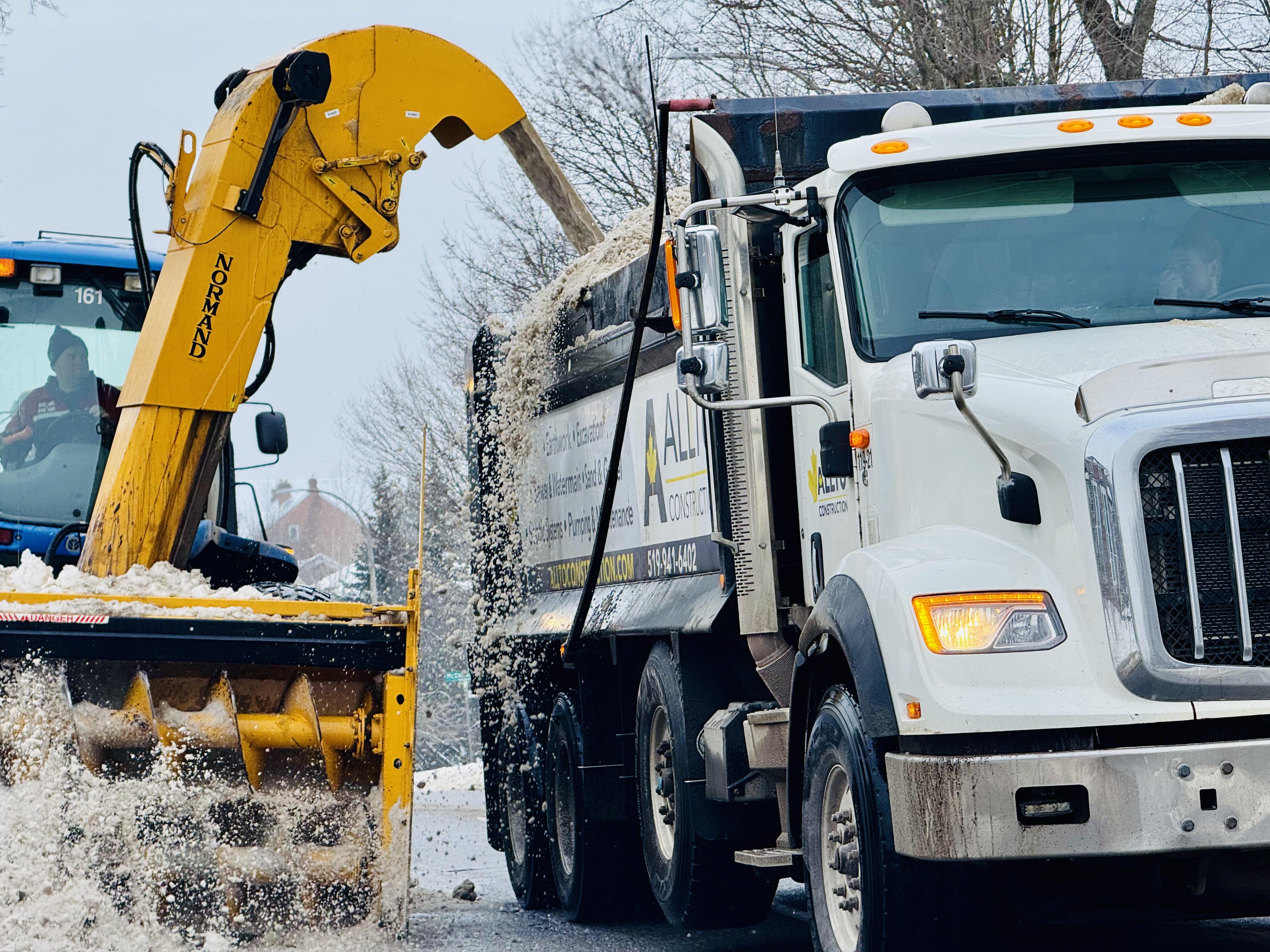
Allto operates a substantial construction fleet that includes wheel loaders and backhoes with snow blades and box pushers, in addition to other heavy equipment.
That type of equipment capacity becomes particularly valuable during larger winter events.
Ask About Backup Equipment
Snow-removal equipment operates in difficult conditions.
Breakdowns happen.
A commercial snow contractor should have a plan for what happens when a plow, loader, salter or other important piece of equipment fails during a storm.
Ask:
- Is backup equipment available?
- How is equipment maintained?
- Are replacement operators available?
- What happens if a machine fails halfway through servicing the property?
These questions may not seem particularly important on a sunny September afternoon.
They become much more important at 3:00 a.m. during a major snowfall.
Labour Capacity Matters Too
Equipment doesn't operate itself.
A contractor also needs sufficient trained operators and personnel to service its contracted properties.
This becomes particularly important during long-duration storms when crews may need to work through multiple shifts.
When evaluating a contractor, consider whether the overall operation has sufficient capacity to support the amount of work being committed to.
Plan Snow Storage Before Winter
Where will the snow go?
It's a simple question that can become a significant problem later in the season.
Snow piles can gradually consume:
- Parking spaces
- Sight lines
- Loading areas
- Drive lanes
- Fire routes
- Drainage areas
A preseason site review should identify preferred snow-storage areas before the first storm.
Large properties should also consider what happens if those areas become full.
During heavy winters, accumulated snow may eventually need to be relocated elsewhere on the property or loaded into trucks and hauled off site.
The contract should identify whether snow relocation and hauling are included or treated as additional services.
Don't Forget Sidewalks and Entrances
Parking lots receive most of the attention, but pedestrian areas are also an important part of winter maintenance.
Commercial properties may require service around:
- Main entrances
- Emergency exits
- Sidewalks
- Walkways
- Accessible routes
- Stairs
- Employee entrances
Clearly establish who is responsible for each area before winter.
Don't assume the parking-lot contractor is automatically maintaining every pedestrian area unless that's included in the agreement.
Verify Insurance
Commercial snow contractors should carry appropriate insurance for the work they're performing.
Allto Construction is fully insured for its snow and ice management operations.
Insurance should be part of contractor qualification rather than something investigated after an incident occurs.
Look at Salt-Management Practices
More salt isn't automatically better.
Responsible salt application means using material effectively while considering the environmental consequences of unnecessary application.
Allto Construction is a Smart About Salt certified contractor, and its snow-service page states that employees receive training in salt application and effective material use.
Property managers should consider both winter performance and responsible salt management when evaluating contractors.
Conduct a Preseason Site Walk
One of the best times to solve winter-maintenance problems is before it snows.
A preseason site review gives the property manager and contractor an opportunity to identify:
- Curbs and islands
- Fire hydrants
- Catch basins
- Drainage areas
- Loading docks
- Speed bumps
- Landscaping
- Garbage enclosures
- Snow-storage locations
- Sidewalk responsibilities
- Areas requiring special attention
Site maps and photographs can also help establish expectations.
The objective is simple: both parties should understand the property before the first major storm.
Don't Select a Commercial Snow Contractor on Price Alone
Price matters.
But commercial snow removal is ultimately a service and capacity business.
A low quotation doesn't provide much value if the contractor can't consistently service the property when conditions become difficult.
When comparing commercial snow-removal proposals, consider:
- Scope of work
- Trigger depths
- Plowing frequency
- Ice-management responsibilities
- Sidewalk service
- Equipment
- Backup equipment
- Staffing
- Weather monitoring
- Documentation
- Insurance
- Snow storage
- Snow hauling
- Communication
- Experience
The objective isn't necessarily to select the most expensive contractor.
It's to understand what you're buying and choose a contractor capable of delivering the required service throughout an Ontario winter.
Commercial Snow Removal in Orangeville and South Central Ontario
Allto Construction has been serving South Central Ontario since 1969 and provides services to residential, commercial and industrial clients.
Our commercial snow and ice management operation includes 24/7 monitoring and dispatch, maintained service records, experienced operators and access to a substantial fleet of equipment.
If you're reviewing your commercial snow-removal arrangements for the coming winter, late summer and fall are good times to evaluate the property, establish expectations and put a plan in place before winter weather arrives.
Learn more about our commercial snow removal services or contact Allto Construction to discuss your property.
Blog Images
SINCE 1969.